First Time in Waikiki? Everything You Need to Know
If you’re going to experience your first time in Waikiki, there are some things you should know. Waikiki is walkable with a warm temperature year-round. It is easy for first-time visitors once they know a few basics such as the best time to go, how to get around without a car, what resort fees are, and how to pack for the climate.
Since Waikiki is so tourist-heavy, it is easy to overpay or overplan. Keep reading to discover where to stay, how to get around, what to pack, how to budget, and some common first-timer mistakes.
Key Takeaways
- Shoulder seasons (April-June and September-November) offer the best mix of good weather, smaller crowds, and lower hotel rates
- Waikiki is walkable, and TheBus (Oahu’s public transit) covers the island for $3.25 a ride with a $7.50 daily cap
- Most Waikiki hotels charge a mandatory daily resort fee (roughly $40-$65/night) on top of the room rate
- Hawaii law requires all sunscreen sold in the state to be reef-safe
- Book popular activities (Diamond Head timed entry, tours, luaus) in advance
What to Know Before You Go
Let’s start with some basics. Waikiki is a neighborhood within Honolulu on the island of Oahu. U.S. citizens do not need a passport or visa for domestic travel. There isn’t a major time zone adjustment needed for West Coast visitors. However, East Coast visitors will have a 5-6 hour difference, so plan for a bit of jet lag.
The temperature in Waikiki is generally 75-86°F year-round. Packing light will work for any month that you visit.
Best Time to Visit Waikiki
Visiting Waikiki is going to be enjoyable pretty much any time of year, but there are some seasons that may make it easier to navigate in terms of crowds. The shoulder seasons start in late April through early June and September through mid-November. Shoulder season has the best balance of warm weather, thinner crowds, and lower hotel rates.
The winter months are December through March and bring bigger surf on the North Shore. Whale watching season runs December through April with peak visibility March through early April. Keep in mind that you’ll experience higher prices around the holidays.
Summer season runs June through August and has the most reliable sunshine with calm swimming conditions. It also has the highest hotel rates and biggest crowds somewhat due to U.S. school breaks.
Fall in Waikiki is often referred to as the “secret season”. The daytime temperatures are around 80-85°F. There are fewer crowds and you’re likely to find better deals on flights and vacation rentals.
If you want to avoid crowds, you may not want to visit during Christmas and New Year’s. January through March also gets busy with snowbirds and hotel conferences.
Comparison Table: Visiting Waikiki by Season
| Season | Typical Temp | Crowd Level | Price Level | Best For |
|---|---|---|---|---|
| Winter (Dec-Feb) | 75-82°F | High (holidays) | High | Whale watching, bigger North Shore surf |
| Spring (Mar-May) | 75-85°F | Moderate | Moderate | Shoulder season value, whale watching tail end |
| Summer (Jun-Aug) | 80-86°F | Highest | Highest | Reliable sunshine, calm swimming |
| Fall (Sep-Nov) | 80-85°F | Lowest | Lowest | Best overall value, quieter beaches |
Where to Stay in Waikiki
Deciding where to stay in Waikiki matters. Beachfront properties cost more. You can save some money by staying in hotels that are a few blocks back (near Kuhio Ave) and still walkable to the beach.
In terms of narrowing down a neighborhood, proximity to Diamond Head is quieter while saying closer to Ala Moana side is louder/busier due to shopping. Do keep in mind that most full-service Waikiki hotels do charge a mandatory daily resort fee (typically $40-$65 a night) to cover things like WiFi, pool access, and and sometimes reef-safe sunscreen or cultural activities.
Some hotels advertise no resort fees which is worth considering when doing price comparisons. Choosing a vacation rental is a common alternative to hotels and don’t usually deal with the resort fee structure.
Resort fee defined: A resort fee (may also be referred as a destination or amenity fee) is a mandatory daily charge added on top of the room rate. It is separate from taxes and typically covers WiFi, pool/gym access, and similar amenities.
Getting Around Without a Car
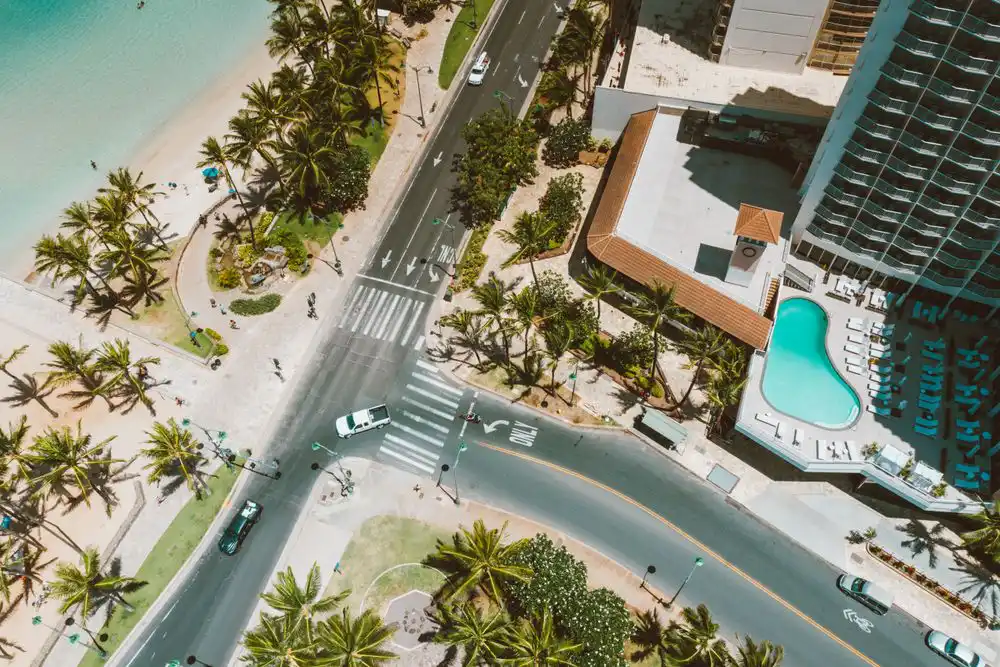
The nice thing about staying in Waikiki is that it is highly walkable. Most beaches, shops, and restaurants are within a 15-20 minute walk of any hotel in the area. Oahu’s public transit system is quite good. TheBus covers most of the island for $3.25 per ride with a $7.50 daily fare cap. A 3-day pass is around $20 and a 7-day pass is around $35.
Getting a reloadable HOLO Card is the easiest way to pay the fare on TheBus and the Skyline rail line. It will apply the daily/monthly fare caps automatically. We had HOLO Cards and I set mine to reload each time it reached $5. You can manage your HOLO Card online.
The Skyline (Honolulu’s rail line) connects the airport to the Kalihi Transit Center. This gives visitors a rail-plus-bus option into Waikiki which skips highway traffic altogether.
There is also the option of using a rideshare such as Uber or Lyft. It costs more but is faster and more convenient than TheBus. They are especially convenient for short trips.
If you’re staying around the Waikiki area, a rental car isn’t necessary. However, if you want to plan day trips to the North Shore, Kailua, or other parts of the island, then renting a car may be the ideal option.
What to Pack for Waikiki
Packing for a trip to Waikiki is fairly simple. Pack lightweight, breathable clothing. Oahu temps are around the 75-86°F range most of the year. Be mindful when packing sunscreen. Hawaii state law bans the sale of sunscreens containing oxybenzone and octinoxate. Choose reef-safe sunscreen or plan to buy it locally. Sunscreen is easy to find at grocery stores, Costco, and drugstores all over the island.
Be sure to pack comfortable walking shoes as Waikiki is very walkable. Other things to consider packing include a reusable water bottle, a swimsuit, a day bag for the beach, and a light cover-up for walking to and from restaurants.
Reef-safe sunscreen defined: A sunscreen made without oxybenzone and octinoxate. These chemicals are shown to harm coral reefs. Hawaii has required this statewide since 2021 when the law took effect.
Budgeting for Your Trip
There are ways to budget for your trip if you keep some things in mind. For instance, if you’re staying at a full-service hotel, budget for a resort fee ($40-$65/night) on top of your nightly room rate.
Taking TheBus is one of the cheapest ways to get around the island at $3.25 per ride with a $7.50 daily cap. It’s more affordable than taking a rideshare which adds up quickly if you’re taking multiple trips a day.
Buying sunscreen and basic toiletries will cost more in Hawaii than on the mainland. A 6 oz bottle of reef-safe sunscreen can run about $13 at a local grocery store.
Some free or low-cost ways to enjoy Waikiki include the public beach itself, early-morning beach time before the crowds start up, and sunset walks along Kalakaua Ave.
Common First-Timer Mistakes to Avoid
Here are are some common first-timer mistakes to avoid that can help save you time, money, and create a more enjoyable experience:
- Overpacking and not leaving room to simply relax on the beach
- Not booking popular attractions, tours, or luaus in advance as they sell out during peak season
- Forgetting that sunscreen is regulated and arriving without reef-safe sunscreen which means having to buy it at inflated prices
- Not budgeting for the resort fee when comparing hotel prices
- Renting a car for your entire trip when using TheBus and walking would have sufficed (especially if staying entirely in Waikiki)
FAQ Section
4-5 days is sufficient to cover the main beaches, Diamond Head, and a day trip elsewhere.
Yes, Waikiki is very walkable. No car is needed if you’re staying in Waikiki. Using TheBus or rideshare can cover everything else.
The shoulder season months are ideal for good weather and lower prices. These months are April-June and September-November.
Enjoy the beach itself, sunset walks, spotting wildlife, walking to Magic Island Lagoon.
Conclusion
Planning for a smooth first-time visit to Waikiki comes down to prep on timing, transit, and packing. If you’re wanting to avoid crowds, consider visiting during the fall. Save money on transportation around the island by using TheBus. Pack lightweight clothing since the temperatures stay around 75-86°F.
Most importantly, don’t forget about the resort fees when comparison shopping between hotels. Almost everything in Hawaii is more expensive than the continent, so be prepared to pay higher prices for whatever it is you’re shopping for.